Reality Signal
Artwork 02 · Direction, Taste and Choice
Are we judging the image, or what we believe made it?
What we know about an image’s origin can change how we respond to it, even when the image stays the same.
The example
In May 2026, the conceptual artist SHL0MS posted a detail from Claude Monet’s Water Lilies and described it as an AI-generated image in the style of Monet. People were invited to explain why it was inferior to Monet’s own work. Some responses pointed to supposed signs of AI generation. The image was, in fact, an original Monet from around 1915. The post illustrates how expectations can influence what people believe they see. It was a social media intervention, not a controlled scientific experiment.
The research
d = 0.61
standardised effect of the creator label on perceived monetary worth
What is known
In a controlled study, 149 participants rated 30 AI-generated paintings. The images were randomly labelled either “human-created” or “AI-created”. Images carrying the human label received higher ratings for liking, beauty, profundity and monetary worth. The strongest measured difference concerned perceived monetary worth, with an effect size of d = 0.61. The effect for profundity was d = 0.47. Participants also associated the human label with more effort, time, emotion, story and meaning.
What the research does not show
The study does not show that human-made art is inherently better or that people will always prefer it. It measured an average response to different labels in a controlled setting. The effect size is not the percentage of participants who changed their minds. The paintings in the study were all AI-generated, so the research examined the influence of the label rather than comparing the quality of human-made and AI-generated work.
Open question
If the image stays the same, what exactly are we valuing?
Sources
- Bellaiche et al., Cognitive Research: Principles and ImplicationsHumans versus AI: whether and why we prefer human-created compared to AI-created artwork, 2023.Read the source (opens in a new tab)
- X, 12 May 2026Original post by SHL0MS.A conceptual social media intervention, not a scientific study.Read the source (opens in a new tab)
- Bayerische StaatsgemäldesammlungenClaude Monet, Water Lilies, around 1915.Read the source (opens in a new tab)
Stands beside one artwork
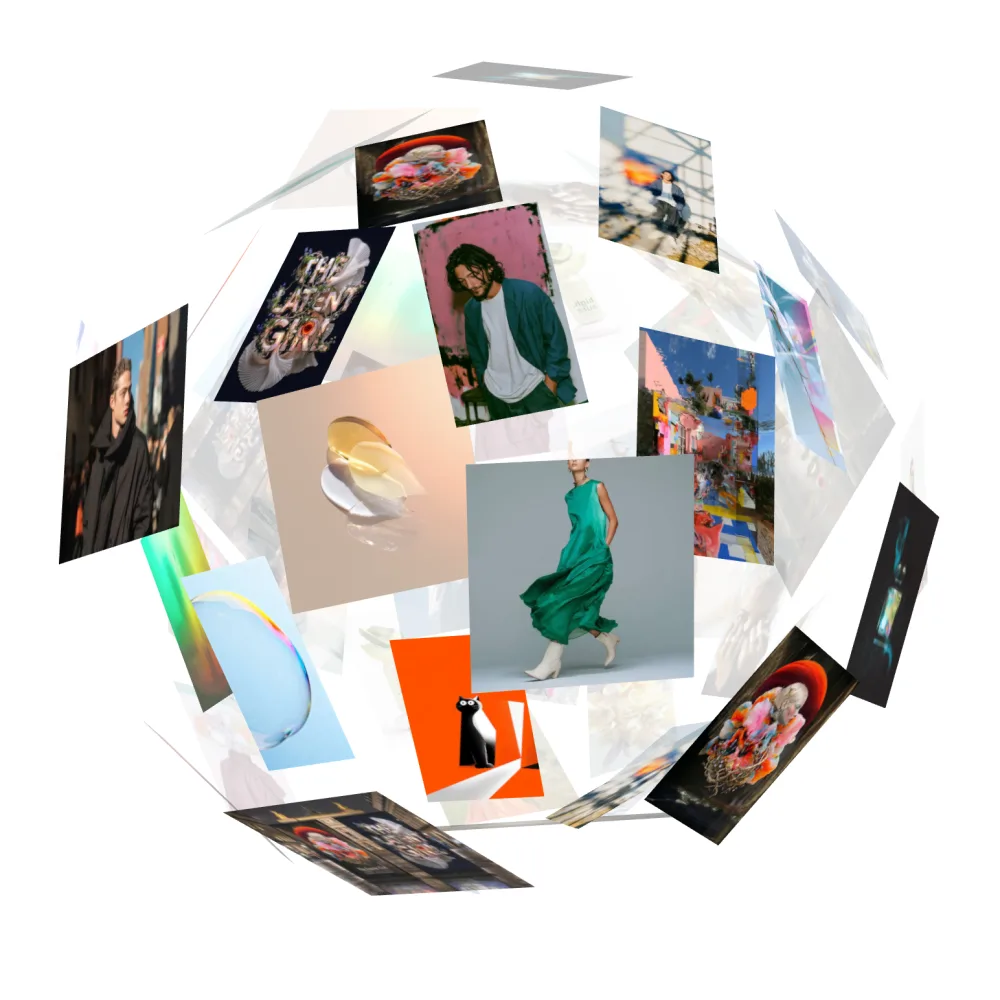
The sphere brings together images Silke developed using different generative AI tools and selected for this work. This Reality Signal asks whether knowing how the images were made changes the way we look at them. Would the same selection feel different without the AI label?