Reality Signal
Artwork 01 · Human Trace / Craft / Meaning
If the look can be generated, what do we value in the making?
How an artwork was made can matter to how we value it.
The research
5
Experiments examining how people value originals and identical duplicates
What is known
In five experiments, George Newman and Paul Bloom (opens in a new tab) presented participants with hypothetical scenarios involving original objects and identical duplicates. The results suggest that the perceived uniqueness of the creative act and the artist’s physical contact with an object both contribute to the value attributed to an original artwork.
What the research does not show
The study examined originals and duplicates, not AI-generated art. It does not establish that handmade work is inherently better, or measure the pleasure of working with materials by hand. It offers evidence about how the history of an artwork can affect its perceived value.
Open question
When different processes can produce a similar appearance, what matters to us about how an artwork was made?
Sources · checked 12.10.2026
- George E. Newman and Paul Bloom, Journal of Experimental Psychology: GeneralArt and authenticity: The importance of originals in judgments of value, 2012.Read the source (opens in a new tab)
Stands beside one artwork
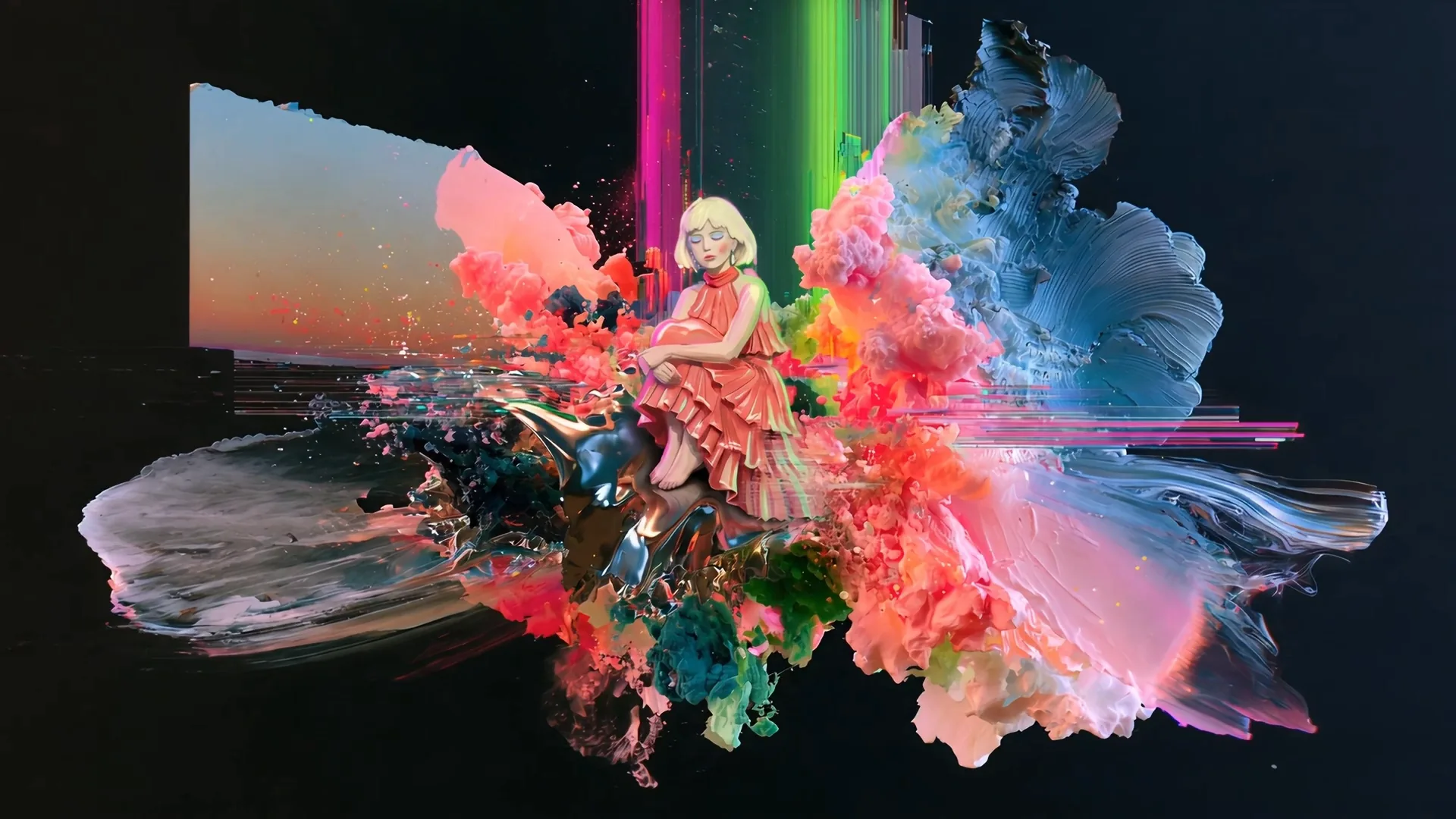
A Doorway to Imagination uses AI to explore painted worlds beyond the techniques Silke has learned. Her ideas, direction and selection shape the film, including when an unexpected result changes its course. Beside this work, the research raises a question about what we value in making: the visible result, the choices behind it and the maker’s relationship with the materials.